Blushwood Berry Extract: The Natural Source of EBC-46 and What Science Tells Us
Everything known about the Blushwood tree (Fontainea picrosperma) as the natural source of EBC-46, the science behind the extract, and what supplement users are reporting — including energy, immune support, inflammation, and skin benefits.

What Is Blushwood Berry Extract?
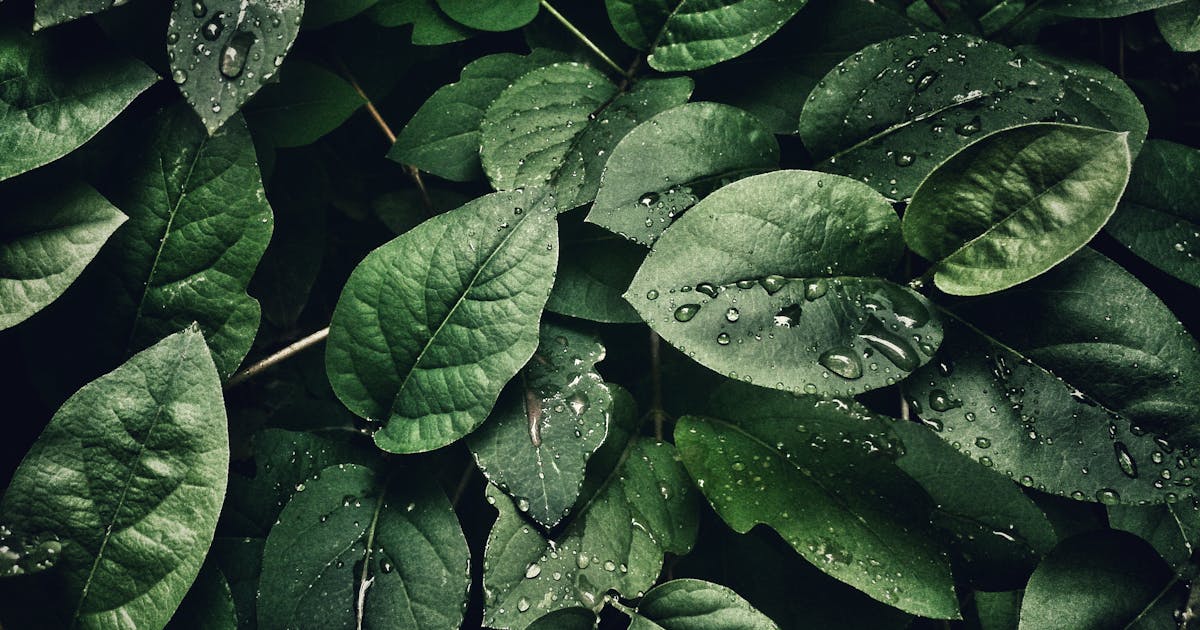
Blushwood berry extract is a dietary supplement derived from the whole seeds of Fontainea picrosperma — the Blushwood tree, native to the Far North Queensland rainforest in Australia.[1]
Unlike an isolated pharmaceutical compound, Blushwood berry whole-seed extract contains the full spectrum of naturally occurring compounds found in the seed — including tigilanol tiglate (EBC-46), related tigliane diterpene esters, and other co-occurring phytochemicals.
The Science Behind the Extract
QBiotics Group and QIMR Berghofer Medical Research Institute have published extensively on tigilanol tiglate, the primary bioactive compound.[2] However, the whole Blushwood seed contains a complex phytochemical matrix that researchers are still characterising.
A 2019 study confirmed the mechanism by which tigilanol tiglate activates protein kinase C (PKC) and disrupts tumour vasculature — work that underpins both the pharmaceutical and supplement interest in this plant.[3]
EBC-46 Concentration in Supplements
Commercially available Blushwood berry supplements typically use a 10:1 whole-seed extraction ratio — meaning 10 kg of raw seed material is concentrated into 1 kg of extract, preserving the naturally occurring tigilanol tiglate profile.
What the Research Says
It is important to note that the clinical research — including FDA-approved Stelfonta® — uses pharmaceutical-grade tigilanol tiglate delivered intratumorally by injection. This is fundamentally different from an oral supplement.[4]
Oral bioavailability of tigilanol tiglate compounds has not yet been established in peer-reviewed literature. Researchers at QIMR Berghofer continue to investigate different delivery modalities.
Quality Considerations for Consumers
- Source: Seeds should be Fontainea picrosperma — verify the botanical species name
- Extraction: 10:1 or higher ratio concentrates the active compounds
- Third-party testing: Look for COA (Certificate of Analysis) from an independent lab
- No pesticides: Wild-harvested or certified clean sourcing preferred
References
- Boyle GM et al. (2014). Intralesional injection of the novel PKC activator EBC-46. PLOS ONE. View source ↗
- Panizza BJ et al. (2019). Intralesional injection of tigilanol tiglate in head and neck cancers. ORL. View source ↗
- U.S. FDA (2020). FDA Approves Stelfonta. View source ↗
- QBiotics Group. Research and Development. View source ↗
- QIMR Berghofer Medical Research Institute. View source ↗