EBC-46 (Tigilanol Tiglate): The Complete Scientific Guide
The definitive reference on EBC-46 (tigilanol tiglate): its chemistry, mechanism of action, veterinary approval as Stelfonta®, ongoing human Phase I/II trials, Blushwood berry source, and what current science says for patients and supplement users.


What Is EBC-46?
EBC-46 — scientifically known as tigilanol tiglate — is a small-molecule compound first isolated from the seeds of the Blushwood tree (Fontainea picrosperma), a rainforest plant native to the Wet Tropics of Far North Queensland, Australia.[1]
Discovered and developed by QBiotics Group in partnership with QIMR Berghofer Medical Research Institute, EBC-46 has become one of the most studied naturally derived anti-cancer compounds of the past decade.
Regulatory Approvals
EBC-46 achieved a landmark regulatory milestone in 2020 when the United States FDA approved Stelfonta® (tigilanol tiglate injection) — the first drug specifically approved for direct intratumoral treatment of non-metastatic canine mast cell tumours.[2]
The European Medicines Agency (EMA) granted equivalent marketing authorisation, confirming Stelfonta's safety and efficacy profile across two major regulatory jurisdictions.[3]
For human applications, EBC-46 holds FDA Orphan Drug Designation for multiple cancer indications — a status that accelerates the development pathway and signals serious regulatory interest.[4]
How Does EBC-46 Work?
EBC-46 is a potent activator of protein kinase C (PKC), triggering a cascade of intracellular events that ultimately destroys tumour tissue through three distinct mechanisms:
- Direct tumour cell destruction via rapid vascular disruption within the tumour
- Stimulation of an acute immune response that attacks residual cancer cells
- Induction of innate immune memory, helping prevent tumour recurrence
Clinical Research Progress
A landmark 2014 study published in PLOS ONE documented complete tumour resolution in equine sarcoids following intratumoral EBC-46 injection, with no systemic toxicity reported.[5]
Phase I human clinical trials are now underway. ClinicalTrials.gov lists active and completed studies across head and neck squamous cell carcinoma (HNSCC), cutaneous tumours, and other solid tumour types.
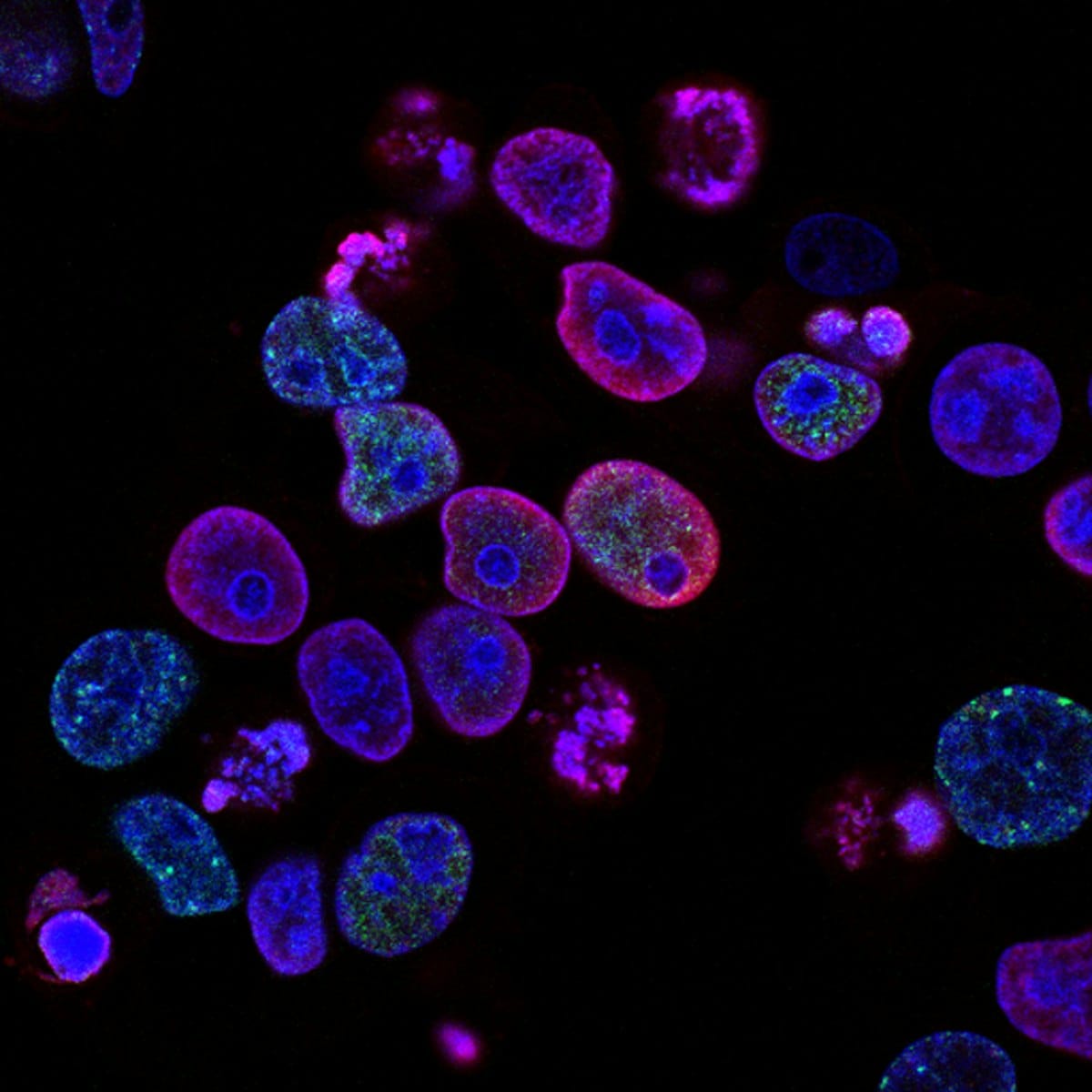
EBC-46 vs. Conventional Treatments
Traditional chemotherapy and radiation attack both cancerous and healthy cells, often causing debilitating side effects. EBC-46 works differently — it is delivered directly into the tumour, minimising systemic exposure and collateral tissue damage.
Key Takeaways
- EBC-46 (tigilanol tiglate) is a naturally occurring compound from the Australian Blushwood berry
- FDA and EMA approved as Stelfonta® for canine cancer (2020)
- Active Phase I/II human clinical trials ongoing
- Mechanism: PKC activation → vascular disruption → immune activation
- Orphan Drug Designation for multiple human cancer indications
References
- Boyle GM et al. (2014). Intralesional injection of the novel PKC activator EBC-46 rapidly ablates tumors in mouse models. PLOS ONE. View source ↗
- U.S. FDA (2020). FDA Approves First Drug for Direct Treatment of Non-Metastatic Canine Mast Cell Tumors. View source ↗
- European Medicines Agency (2020). Stelfonta EPAR. View source ↗
- U.S. FDA. Orphan Drug Designations and Approvals. View source ↗
- QIMR Berghofer Medical Research Institute. Translational Research Programs. View source ↗
- ClinicalTrials.gov. Tigilanol tiglate clinical studies. View source ↗