The Abscopal Effect and EBC-46: Can Intratumoral Treatment Trigger Systemic Immune Response?
When a local injection shrinks tumours far from the injection site, something remarkable is happening. Here's what research reveals about EBC-46 and systemic anti-tumour immunity.

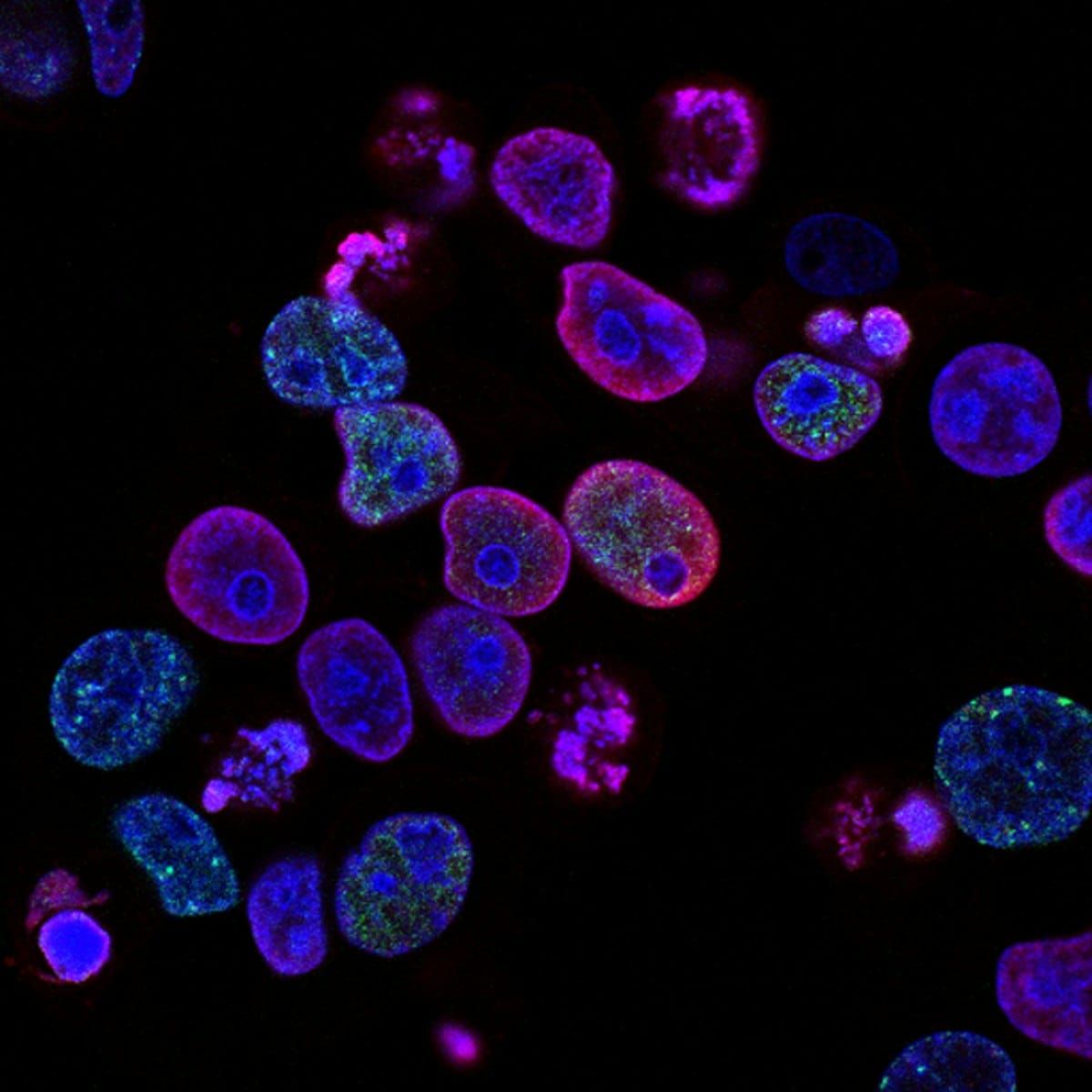
When Local Treatment Creates Systemic Change
In oncology, the abscopal effect describes a phenomenon that has fascinated and puzzled researchers for decades: a localised cancer treatment — typically radiation — produces tumour regression not just at the treated site, but at distant, untreated lesions elsewhere in the body. The mechanism is immunological. The local treatment damages or destroys tumour cells in a way that releases antigens, activates immune cells, and effectively "teaches" the immune system to recognise and attack the same cancer systemically.[1]
As intratumoral therapies like EBC-46 (tigilanol tiglate) draw increasing research attention, a key question has emerged: can a direct injection of EBC-46 produce a similar systemic anti-tumour immune effect?
How EBC-46 Destroys Tumours Locally
EBC-46 is a tigliane-class diterpene ester that acts as a potent activator of protein kinase C (PKC). When injected directly into a solid tumour, it triggers a rapid, multi-stage destruction cascade.[2]
- PKC activation disrupts tumour cell membranes and initiates direct cell death
- Vascular disruption cuts off the tumour's blood supply within minutes to hours
- Acute inflammatory response drives immune cell infiltration into the tumour microenvironment
- Tumour debulking occurs within 24–72 hours of injection in responsive cases
This inflammatory cascade is markedly different from conventional chemotherapy, which tends to suppress inflammation. The acute immune activation triggered by EBC-46 is precisely what makes researchers curious about downstream systemic effects.
The Immunogenic Cell Death Hypothesis
For an abscopal effect to occur, tumour cell death must be immunogenic — meaning it releases signals that activate dendritic cells and prime cytotoxic T lymphocytes (CTLs) to recognise tumour antigens. Not all forms of cell death are immunogenic. Apoptosis (programmed cell death) is often immunologically "quiet." Necrosis and certain forms of regulated cell death, however, release damage-associated molecular patterns (DAMPs) that strongly activate innate immune sensors.
EBC-46-induced tumour destruction appears to involve significant necrotic and necroptotic cell death, particularly in the central tumour mass. This type of death releases heat shock proteins, HMGB1, ATP, and calreticulin — all recognised as potent DAMP signals that can prime adaptive immune responses.[3]
Evidence from Veterinary Oncology
The strongest current evidence for EBC-46's potential systemic immunological effects comes from veterinary oncology. In the canine mast cell tumour trials that led to Stelfonta's regulatory approval, a subset of dogs treated with EBC-46 showed regression not just of the injected lesion, but of distant metastatic lesions that were not injected.[4]
These observations were not universal, and the trial was not designed to measure abscopal responses systematically. However, the pattern is consistent with what would be expected if EBC-46 were driving immunogenic cell death and subsequent systemic T-cell activation.
Human Trials and Open Questions
Phase I and II human trials of tigilanol tiglate are currently investigating its safety and efficacy in head and neck squamous cell carcinoma and other solid tumours.[5]
These trials are not yet powered to detect abscopal effects as primary endpoints, but researchers are collecting immunological correlates — tumour-infiltrating lymphocyte profiles, circulating T-cell populations, and cytokine panels — that may illuminate whether systemic immune activation is occurring alongside local tumour destruction.
The question is scientifically important because if EBC-46 does reliably trigger systemic anti-tumour immunity, it opens the door to combination strategies with checkpoint inhibitors (PD-1/PD-L1 blockade, CTLA-4 blockade) that could amplify that effect dramatically.
Implications for Combination Therapy
Intratumoral agents and checkpoint inhibitors are increasingly being studied together on the premise that local tumour destruction 'primes' the immune system while checkpoint blockade 'releases the brakes' on that immune response. Early combination trials of intratumoral agents like talimogene laherparepvec (T-VEC) with pembrolizumab have shown meaningful response rates in melanoma, including at non-injected lesions.[6]
Whether EBC-46 could serve a similar 'priming' role in combination regimens remains an active area of preclinical and early clinical investigation. The immunological profile of EBC-46-induced death — particularly its DAMP-rich character — makes it a biologically plausible candidate for such combinations.
The Bottom Line
The abscopal effect remains incompletely understood even after decades of research, but the emerging science of immunogenic cell death offers a coherent mechanistic framework. EBC-46's capacity to drive acute, inflammation-rich tumour destruction makes it a scientifically credible candidate for producing systemic immune effects — though robust clinical evidence specifically measuring this in humans is still being gathered. Watch this space as human trial data matures over the next two to three years.
References
- [object Object]
- [object Object]
- [object Object]
- [object Object]
- [object Object]
- [object Object]