How to Dose Blushwood Berry Extract: A Practical Guide to EBC-46 Supplementation
Supplement manufacturers have developed EBC-46 dosing protocols based on formulation research and real-world feedback. Here's what the data suggests about when and how to take it.

No Official Guideline — But Manufacturer Protocols Are a Useful Starting Point
There is no FDA-approved dosage for blushwood berry extract as a dietary supplement. No clinical dosing chart exists, no pharmacy will print instructions on the bottle, and your GP almost certainly has not heard of EBC-46 as a supplement. What does exist — and what this guide is built around — are the dosage protocols developed and published by the manufacturers formulating these products. [1]
These are not arbitrary numbers. Manufacturers working with blushwood berry extract have iterated on these guidelines based on formulation research, absorption data, and the growing body of consumer feedback coming back from people who have used these products over months and years. Based on that feedback, the protocols below appear to be where people are consistently reporting the most benefit.
This is a guide to navigating those manufacturer recommendations — not a medical dosage statement. If you are managing a serious health condition, work alongside a healthcare provider.
Why PKC Biology Shapes the Protocols
EBC-46 (tigilanol tiglate) works by activating protein kinase C (PKC) — a family of enzymes central to cell signalling, immune response, and inflammatory regulation. [2] PKC activation is not an acute event. It initiates a cascade: downstream immune cells are recruited, cytokine profiles shift, vascular responses are modulated. This biology is cumulative, not immediate.
That is why the timing and consistency built into manufacturer protocols are not arbitrary. Pre-meal dosing — particularly 30 to 45 minutes before eating — is structured to support absorption before digestive processes slow uptake. Sublingual administration for tinctures allows direct mucosal absorption, bypassing first-pass liver metabolism. [3] The protocols are designed around the biology, not around convenience.
Manufacturer-Recommended Dosing Protocols
Capsules — General Wellness
For everyday health maintenance and general immune and anti-inflammatory support, supplement manufacturer guidelines typically recommend:
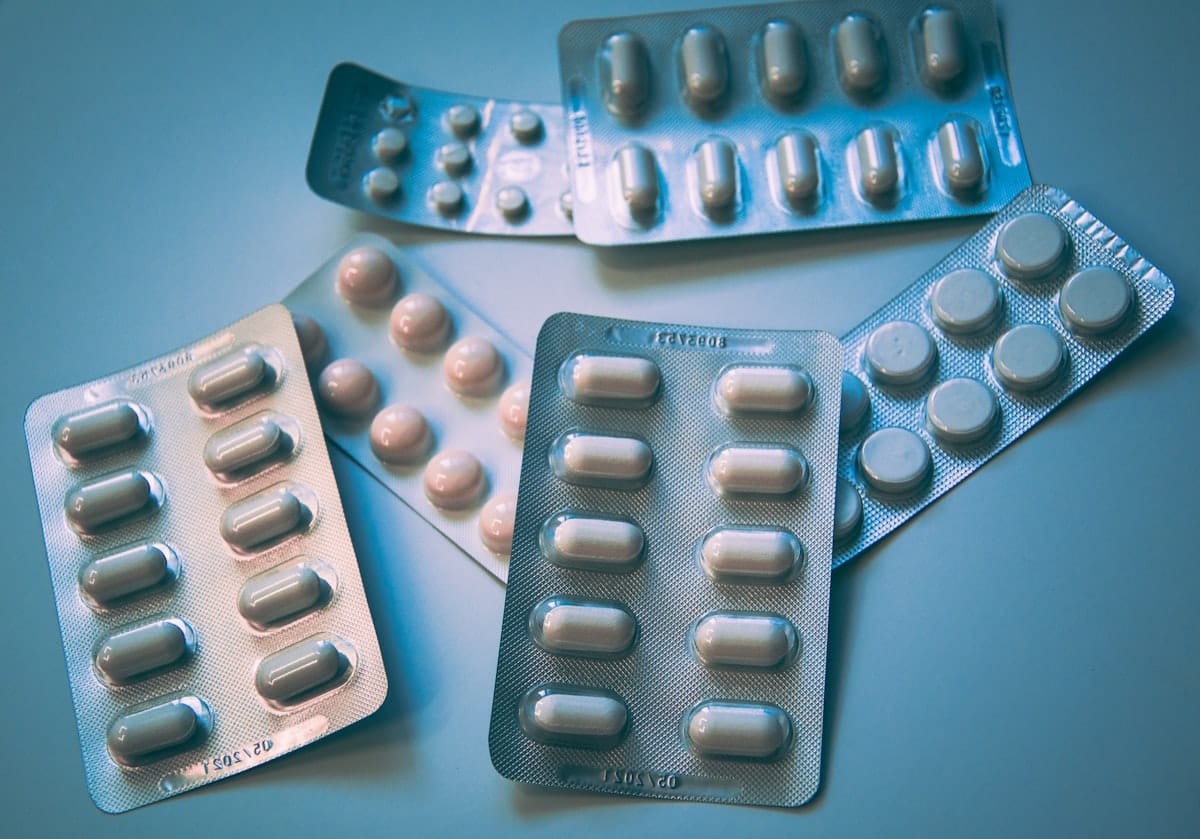
- 1 capsule (500 mg), three times daily
- Taken 30 minutes before meals — morning, midday, and evening
- Evenly spaced throughout the day to maintain consistent PKC signalling
This is the entry-level protocol — appropriate for people starting out or using blushwood extract as a long-term wellness supplement with no acute health concern.
Capsules — Enhanced Support
For people using the supplement to address an active health concern — chronic inflammation, immune challenges, or systemic conditions — manufacturers recommend a higher protocol:
- 2 capsules (1,000 mg), three times daily (3,000 mg total per day)
- 30 to 45 minutes before meals
- Reassess after 2 to 4 weeks; step down to maintenance dose once target support is achieved
One notable detail: at least one manufacturer's dosing protocol for this level was developed in consultation with an oncologist practising in Israel, who has been administering the capsules to her patients for internal therapeutic use. She reports strong outcomes. That a practising clinician has incorporated this protocol into patient care is a compelling signal that the manufacturer guidelines have real-world, practitioner-level backing — not just consumer trial-and-error.
Tincture — Sublingual Standard Protocol
- 0.5 to 1.0 ml (half to one full dropper), three times daily
- Sublingual: hold under the tongue for 60 to 90 seconds before swallowing
- Take between meals for optimal absorption — not with food
The sublingual route matters here. Holding the tincture under the tongue allows absorption directly into the bloodstream via the mucous membranes, which delivers the compound more efficiently than swallowing it with a meal and allowing it to pass through the digestive system.
Topical Application (Tincture)
- Apply to clean, dry skin once or twice daily
- Target the specific area of concern
- Allow to absorb before covering with clothing
Topical use is typically for localised skin concerns — lesions, irregular spots, or areas of irritation. Multiple verified buyers have reported using this method specifically on moles and skin irregularities, with notable changes observed over weeks to months.
What to Expect — A Realistic Timeline
The most consistent finding across consumer reports is that results are gradual. The PKC pathway does not respond dramatically in week one. Here is what the manufacturer protocols and consumer data suggest:
- Weeks 1–2: Adjustment phase — most people notice little. The compound is establishing baseline signalling. This is not a failure of the product.
- Weeks 2–4: Steadier energy levels, improved digestive comfort, and a general sense of improved wellbeing are the earliest commonly reported changes.
- Weeks 6–8: Joint comfort, improved mobility, and measurable reductions in inflammation are commonly reported at this stage.
- Months 3–6: Long-term immune resilience, sustained systemic support, and the deeper outcomes that reviews like Mike Giapi's describe.
The Consumer Reports That Follow the Protocols
The strongest testimonials on record are from people who stayed consistent. Mike Giapi, 54, has been taking blushwood extract daily for over a year. His report: "All inflammation almost 90% gone." He is back to running six miles two to three times per week. [4] That is a long-term outcome — and it tracks almost exactly with the months 3–6 timeline in the manufacturer protocol.
Kim Sandquist, four months in: "I feel stronger and healthier... my immune system is optimal." [5] Kianna Lyneborg reports that capsules helped "tremendously" with inflammation. [6] These are not outliers. They are the people who followed the protocol long enough to give it a fair test.
The pattern in the consumer data is consistent: people who stop at two or three weeks rarely report meaningful results. People who reach the six-to-eight-week mark — and especially those who maintain a daily protocol beyond three months — are the ones generating the most compelling reports.
The Most Common Mistake: Stopping Too Early
Manufacturer guidelines are consistent on this point, and consumer data backs it up. Stopping before six to eight weeks is the most common mistake people make with this supplement.
This is not unique to blushwood. Compounds that work through signalling pathway modulation — probiotics, adaptogenic herbs, omega-3s — require sustained use before measurable change accumulates. The biology is not designed for instant response. EBC-46 works the same way.
The manufacturer protocols are structured around the minimum meaningful trial period. Consistency matters more than intensity. A lower daily dose maintained over three months will almost always outperform a high dose abandoned after two weeks.
A Note on Safety and Professional Guidance
Blushwood berry extract is a dietary supplement — not a medicine and not a substitute for medical treatment. If you are managing a cancer diagnosis, an autoimmune condition, or any serious health concern, speak with a healthcare provider before starting or adjusting your supplementation protocol.
The consumer reports collected here are genuine and compelling. The science around EBC-46 is advancing rapidly. But the appropriate framing for this guide — and for the protocols within it — is supplementary support, informed by manufacturer research and an emerging body of real-world consumer data. The clinical chapter of this story is still being written.
References
- 1. Antal CE et al. "Cancer-Associated Protein Kinase C Mutations Reveal Kinase's Role as Tumor Suppressor." Cell. 2015. View source ↗
- 2. Newton AC. "Protein kinase C: perfectly balanced." Crit Rev Biochem Mol Biol. 2018. View source ↗
- 3. Boyle GM et al. "Intratumoural injection of the novel PKC activator EBC-46 rapidly ablates tumours in mouse models." PLOS ONE. 2014. View source ↗
- 4–6. Verified buyer reviews. Reviews.io / Blushwood Health store. View source ↗