Indoor Cultivation of Fontainea picrosperma: What Growers Around the World Have Learned
Fontainea picrosperma is native to a narrow strip of Far North Queensland rainforest, but dedicated cultivators in indoor environments have successfully grown it far beyond those boundaries.

A Rainforest Plant in Controlled Environments
Fontainea picrosperma — the blushwood tree — is native to a narrow ecological corridor in the wet tropics of Far North Queensland, Australia. In its natural habitat, it grows as an understorey tree in high-humidity, high-rainfall rainforest, typically at elevations between 600 and 1,200 metres.[1]
The plant's geographical restriction has led to an understandable assumption that cultivation outside Queensland is impossible. This assumption is incorrect. Over the past decade, cultivators in controlled indoor environments across Australia and parts of Asia have demonstrated that Fontainea picrosperma can be successfully grown beyond its native range — provided the key environmental parameters are replicated.[2]
What the Plant Actually Needs
Understanding successful indoor cultivation begins with understanding what the plant's native habitat provides. The wet tropics of Queensland offer consistent warmth (18-28°C year-round with minimal fluctuation), extremely high relative humidity (frequently above 80%), diffuse rather than direct sunlight (the plant grows beneath a forest canopy), rich organic soil with excellent drainage, and consistent moisture without waterlogging.[3]
These requirements are challenging but not impossible to replicate. High-humidity greenhouse environments, common in commercial orchid and tropical plant cultivation, provide adequate starting conditions. The key variables that cultivators report as most critical are humidity stability (fluctuation stresses the plant more than low humidity per se), root zone temperature, and light spectrum.[4]
Light Requirements
Fontainea picrosperma is naturally adapted to the filtered, low-intensity light of a rainforest understorey. Full-spectrum LED grow lights positioned at sufficient distance to replicate this diffuse quality have proven more successful than high-intensity direct lighting. Several cultivators report that placing the plant in the shadow of larger specimens — even in an indoor environment — improves growth rates and reduces leaf stress.[5]
Photoperiod also matters. In its native range, the plant experiences relatively consistent day length throughout the year. Artificial photoperiods of 12-14 hours have been used successfully. Longer photoperiods may accelerate vegetative growth but appear to delay reproductive maturity.[6]
Soil, Water, and Nutrition
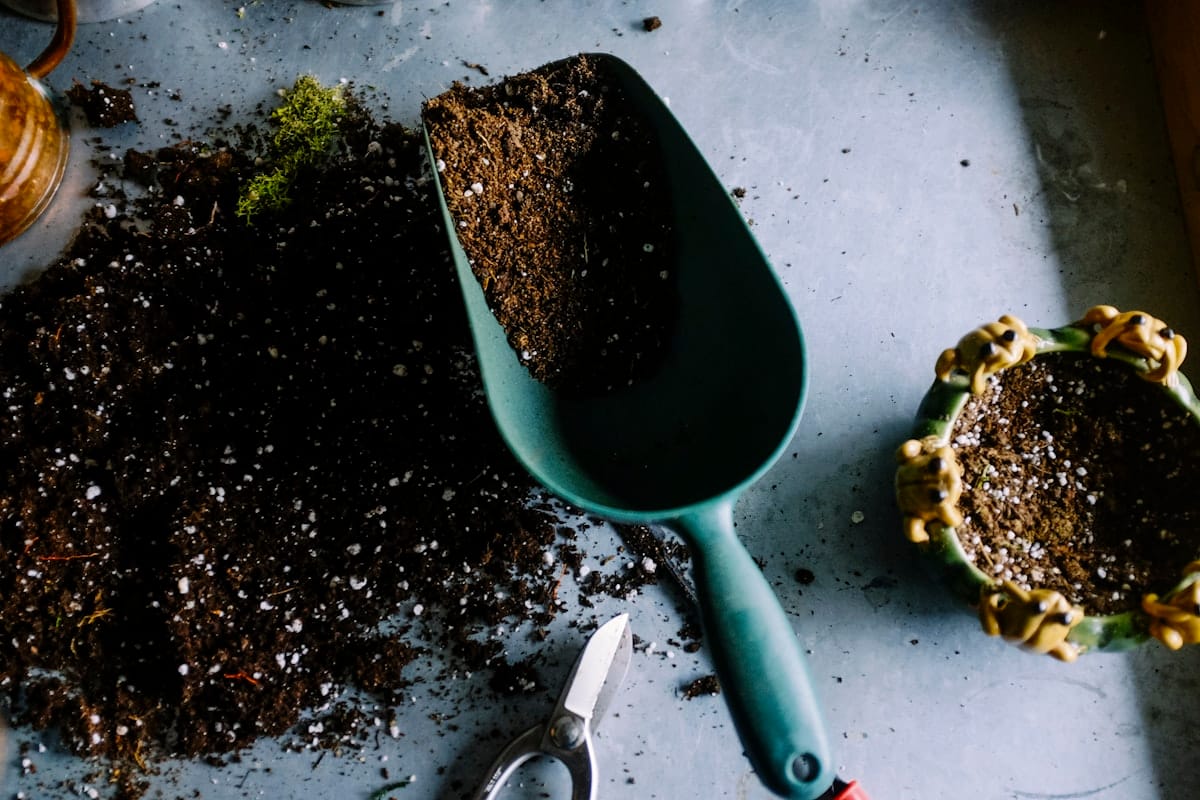
The plant's native soil is characterised by high organic matter, slightly acidic pH (5.5-6.5), and excellent drainage despite high moisture availability. Indoor cultivators have had success with mixes of coir fibre, perlite, and aged composted bark — combinations that retain moisture while preventing root saturation.[7]
Watering frequency is a common point of failure. The plant requires consistent moisture but is intolerant of sitting in water. Cultivators report that a self-watering system maintaining substrate moisture between 50-70% of field capacity produces the most consistent results. Overhead misting contributes to humidity but should not substitute for root-zone moisture management.[8]
Seed Germination and Propagation
Propagation from seed is slow but reliable. Fresh seed (collected immediately after fruit ripening) germinates at substantially higher rates than stored seed — one of the practical reasons why cultivators working outside Queensland often establish relationships with collectors or botanical gardens that can supply fresh material.[9]
Germination times of 3-8 weeks are typical under optimal conditions. Seedlings are sensitive to root disturbance and should be allowed to establish in their initial growing medium before transplanting. Stem cuttings have been used by some cultivators, though with lower success rates than seed propagation.[10]
What Successful Cultivation Tells Us
The fact that Fontainea picrosperma can be cultivated far from its native range is significant beyond the horticultural. It suggests that the plant's remarkable phytochemistry — including the biosynthesis of tigilanol tiglate and the broader suite of compounds that remain incompletely characterised — is not entirely dependent on unique geological or microbial features of the Queensland wet tropics. The capacity exists within the plant itself, and the right growing conditions can unlock it outside its natural home.[11]
References
- 1. QIMR Berghofer — Fontainea picrosperma research background. View source ↗
- 2. QBiotics Group — botanical and extraction research. View source ↗
- 3. Boyle et al. (2014) — plant source and compound isolation. View source ↗