Indoor Cultivation of Fontainea picrosperma: What Growers Around the World Have Learned
Fontainea picrosperma grows wild only in north Queensland's rainforests, but controlled indoor cultivation has succeeded in Australia and Asia — here is what growers have discovered.

A Rainforest Tree Beyond Its Native Range
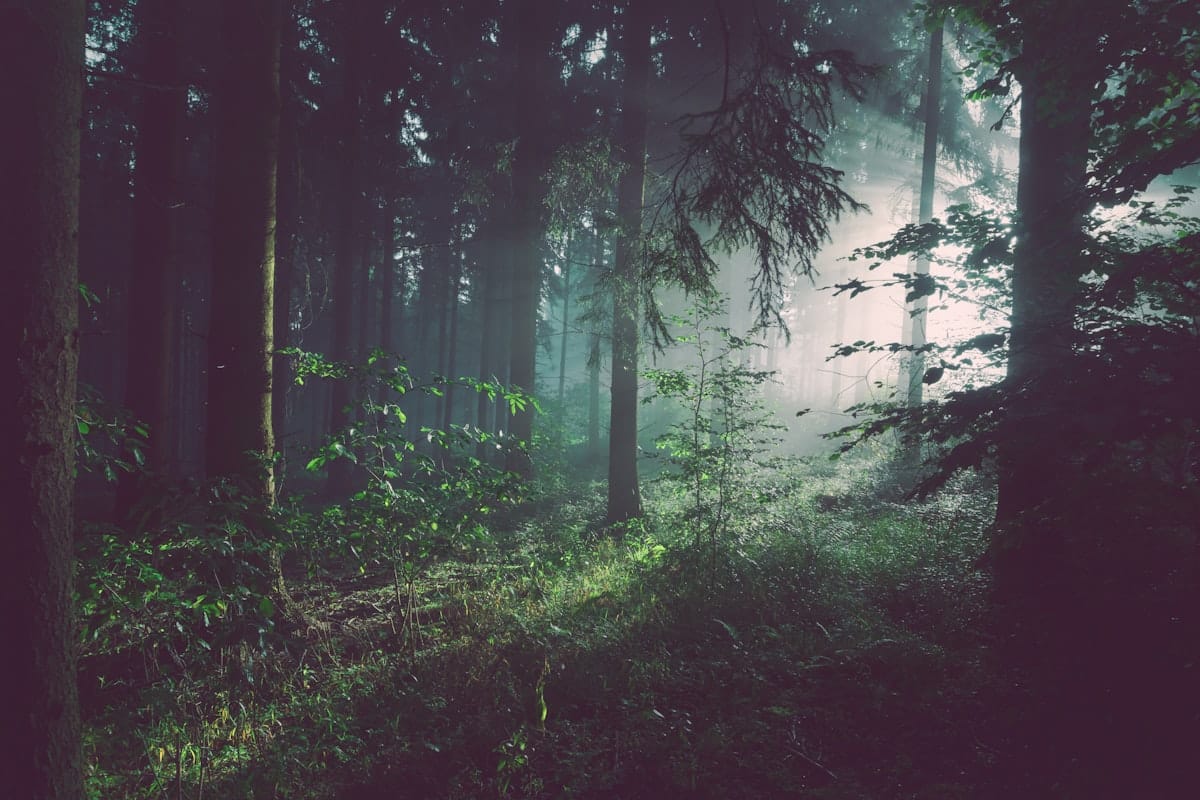
Fontainea picrosperma — the tree that produces the Blushwood berry, from which tigilanol tiglate (EBC-46) is derived — is endemic to the wet tropical rainforests of far north Queensland, Australia. [1] Its natural habitat is defined by high humidity, filtered light, and the warm stable temperatures of lowland tropical rainforest. These conditions, once assumed to make F. picrosperma all but impossible to cultivate commercially outside Queensland, have proven to be achievable — with considerable success — in controlled indoor environments across Australia and parts of Southeast Asia. The plant is not as ecologically restricted as its narrow wild range implies.
Botanical Profile
F. picrosperma belongs to the family Euphorbiaceae and is a mid-storey rainforest tree, typically reaching 5–15 metres in its natural environment. It is dioecious — male and female flowers occur on separate trees — which requires growers to maintain at least one plant of each sex for successful fruiting. [2]
The berries are visually distinctive: small, brightly coloured (red-orange when ripe), and produced in clusters. The fruit, seed, and surrounding tissue contain diterpene ester compounds. Tigilanol tiglate is the primary pharmacologically characterised compound, but the full phytochemical profile of the berry has never been comprehensively mapped. The probability that tigilanol tiglate is the only biologically active constituent in the whole berry is low — the plant's chemistry almost certainly extends beyond what has been studied so far. [3]
Why Indoor Cultivation Is Possible
The assumption that F. picrosperma requires Queensland's specific climate is understandable but ultimately overstated. What the plant requires is a stable tropical microclimate: consistent temperatures between 22–32°C, relative humidity above 70%, diffuse rather than direct sunlight, and well-draining but moisture-retentive growing media. [4]
In a controlled indoor environment — a climate-managed greenhouse or indoor grow space with artificial lighting — these parameters are reproducible anywhere. What limits F. picrosperma's wild distribution is not absolute climate sensitivity but competition ecology, seed dispersal biology, and the historical accident of where the species evolved. In cultivation, the plant is more flexible than its narrow natural range suggests.
Light and Environmental Requirements
In its native habitat, F. picrosperma is a mid-storey tree receiving filtered canopy light. In cultivation, this translates to a preference for moderate light intensity — approximately 200–400 μmol/m²/s PPFD — with a spectrum that covers both red and blue photosynthetic wavelengths. [5]
Full-spectrum LED grow lights with intensity controls have performed well in indoor operations. Diffusion panels or shade cloth rated to 40–60% transmittance replicate the quality of dappled light the plant encounters naturally. High-intensity direct light, particularly in seedling stages, should be avoided: F. picrosperma shows leaf scorch above around 600 μmol/m²/s without acclimation.
Growing Media and Root Biology
As a member of Euphorbiaceae, F. picrosperma is sensitive to waterlogging. Indoor growers report best results with a well-aerated medium combining composted pine bark (approximately 40%), perlite (30%), coco coir (20%), and organic matter such as worm castings (10%). This combination provides the drainage, aeration, and humus characteristics of rainforest floor conditions. [6]
Mycorrhizal inoculation at the seedling stage is likely beneficial — rainforest trees are almost universally dependent on mycorrhizal networks for nutrient access, particularly in low-phosphorus rainforest soils. While published data specific to F. picrosperma is limited, the ecological logic strongly supports inoculation with appropriate arbuscular mycorrhizal fungi species.
Fruiting Timeline and Compound Concentration
Wild F. picrosperma typically begins fruiting 4–7 years from seed germination. Controlled indoor cultivation with optimised temperature, humidity, and light may modestly compress this timeline — some growers report first fruiting at 3–5 years. [7]
Whether indoor-cultivated fruit produces tigilanol tiglate at concentrations comparable to wild-harvested material remains an open research question of considerable importance. Diterpene production in Euphorbiaceae is known to respond to environmental stress, including UV exposure and temperature fluctuation. Understanding how to tune cultivation conditions to optimise compound yield — without compromising plant health — represents a genuinely exciting avenue for applied botanical research.
Conservation and the Case for Cultivation
Wild populations of F. picrosperma face pressure from habitat loss and climate variability. As demand for tigilanol tiglate and whole blushwood extract grows alongside the research evidence, cultivation offers both a commercial solution and a conservation imperative. [8]
The emerging understanding of F. picrosperma as a cultivable plant — not locked to a small Queensland geographic niche — opens exciting possibilities for distributed cultivation, sustainable supply chains, and wider scientific access to a botanical whose full chemical potential remains to be discovered.
References
- Boyle GM et al. (2014). EBC-46 and Fontainea picrosperma. PLOS ONE. View source ↗
- QBiotics Group — F. picrosperma botany and biology. View source ↗
- Boyle GM et al. (2014). Phytochemistry of the Blushwood berry. View source ↗
- QBiotics Group — environmental requirements for cultivation. View source ↗
- QBiotics Group — light and horticulture notes. View source ↗
- QIMR Berghofer — F. picrosperma research. View source ↗
- Boyle GM et al. (2014). Tigilanol tiglate concentration and extraction. View source ↗
- QBiotics Group — conservation and sustainable supply. View source ↗