
Joint Pain, Mobility, and Blushwood Berry Extract: What Users Are Saying in 2026
A growing number of blushwood berry extract users are reporting improvements in joint pain and mobility, adding to an evolving body of consumer-reported outcomes.

A growing number of blushwood berry extract users are reporting improvements in joint pain and mobility, adding to an evolving body of consumer-reported outcomes.

The mycorrhizal fungi associated with Fontainea picrosperma roots may play an underappreciated role in the biosynthesis and concentration of tigilanol tiglate in blushwood fruit.
Phase I trial data shows that wound healing after intratumoral EBC-46 injection follows a predictable pattern, with most treated sites closing within four to six weeks.
EBC-46 triggers rapid neutrophil infiltration at the injection site, creating a localised inflammatory response that accelerates tumour clearance within hours.
The FDA botanical drug pathway offers a unique regulatory route for plant-derived compounds like EBC-46, with specific IND requirements that differ from synthetic drugs.
Blushwood berry extract users increasingly report applying it to warts, sebaceous cysts, and skin tags. Here's what those reports show, and where the science is plausible versus speculative.
The blushwood tree doesn't just produce tigilanol tiglate — it manufactures it through a complex series of enzymatic steps. Here's what science knows about that biosynthetic pathway.

How do EBC-46 trial investigators decide whether a treatment worked? The answer lies in RECIST 1.1 criteria and the specific challenges of measuring response in intratumoral therapy.

EBC-46's activation of protein kinase C does more than disrupt tumour vasculature — it may also suppress NF-κB, one of cancer's most critical survival signalling pathways.
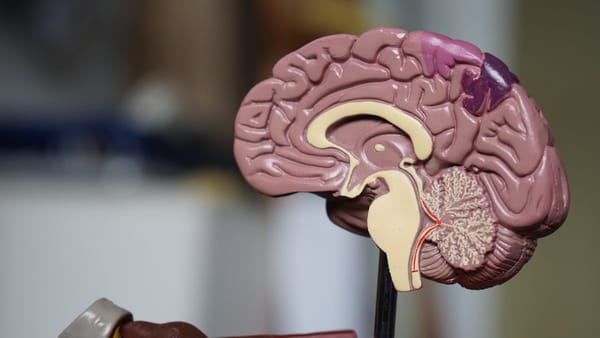
The FDA's Accelerated Approval pathway could allow tigilanol tiglate to reach patients before full Phase III data is available — here's how surrogate endpoints make that possible.
EBC-46 mimics the natural lipid messenger diacylglycerol to activate specific PKC isoforms — a molecular trick that explains its targeted anti-tumour effects.

Compassionate use and expanded access programmes could allow terminal patients to receive tigilanol tiglate before regulatory approval is finalised.

EBC-46
When doctors start looking up Blushwood berry themselves after reviewing patient blood work, the anecdotal becomes harder to ignore.
EBC-46
Tigilanol tiglate is the headline compound — but the full phytochemical profile of Fontainea picrosperma remains largely uncharacterised, and that may matter enormously.
EBC-46
Modern EBC-46 trials track immune activation markers, vascular disruption signatures, and PKC pathway biomarkers — not just tumour volume.
EBC-46
From blood clot resolution observed by physicians to eyes clearing post-sepsis — verified buyer accounts involving objective clinical data represent a signal science cannot afford to ignore.

EBC-46
Fontainea picrosperma grows wild only in north Queensland's rainforests, but controlled indoor cultivation has succeeded in Australia and Asia — here is what growers have discovered.

EBC-46
EBC-46's ability to convert immunologically cold tumours into hot ones makes it a compelling partner for checkpoint blockade — here is the biology and the trial rationale.
EBC-46
EBC-46 targets PKC isoforms that regulate mitochondrial function and energy metabolism — a biological dimension that extends the compound's relevance well beyond oncology.
EBC-46
Expanded access programmes offer a potential pathway for cancer patients to receive tigilanol tiglate outside clinical trials — here is how the regulatory process works.

EBC-46
Independently collected accounts from verified blushwood extract users reveal a consistent pattern of inflammation reduction, improved energy, and systemic wellbeing changes — a signal the research community should investigate.
EBC-46
EBC-46 lights the immune fire with acute local tumour antigen release. Checkpoint inhibitors remove the suppressors trying to extinguish it. The combination rationale is mechanistically sound.

EBC-46
The same PKC isoforms EBC-46 activates for anti-tumour effect also regulate mitochondrial membrane dynamics and cellular energy production — a scientifically rich area still awaiting systematic study.
EBC-46
Fontainea picrosperma is native to a narrow strip of Far North Queensland rainforest, but dedicated cultivators in indoor environments have successfully grown it far beyond those boundaries.