From Rainforest Fruit to Pharmaceutical Compound: How Tigilanol Tiglate Is Extracted from the Blushwood Berry
Extracting tigilanol tiglate from the Blushwood berry is a multi-stage process that bridges traditional plant chemistry and modern pharmaceutical science — and the full phytochemical picture is still emerging.

The Fruit That Started a Pharmaceutical Programme
The Blushwood berry — the fruit of Fontainea picrosperma — first attracted scientific attention when researchers at QIMR Berghofer Medical Research Institute in Queensland observed that animals consuming the fruit showed unusual biological responses.[1] What followed was a systematic effort to isolate, characterise, and purify the active compound responsible: tigilanol tiglate, also designated EBC-46.
The extraction process that converts a rainforest fruit into a pharmaceutical-grade compound involves multiple stages, each presenting distinct chemical and logistical challenges.
Starting Material: The Seed Kernel
Tigilanol tiglate is concentrated in the seed kernel of the Blushwood berry, not in the flesh or outer casing. After harvest, the fruit must be processed quickly — the fleshy pericarp is removed and the seeds are dried under controlled conditions to preserve the integrity of the diterpene ester compounds within.
Fontainea picrosperma grows wild in the tropical rainforests of north Queensland, but it can also be and is successfully cultivated in controlled indoor environments in other parts of Australia and Asia. This cultivation capacity is essential for ensuring a reliable and sustainable supply of starting material as the pharmaceutical programme scales.[2]
Solvent Extraction and Fractionation
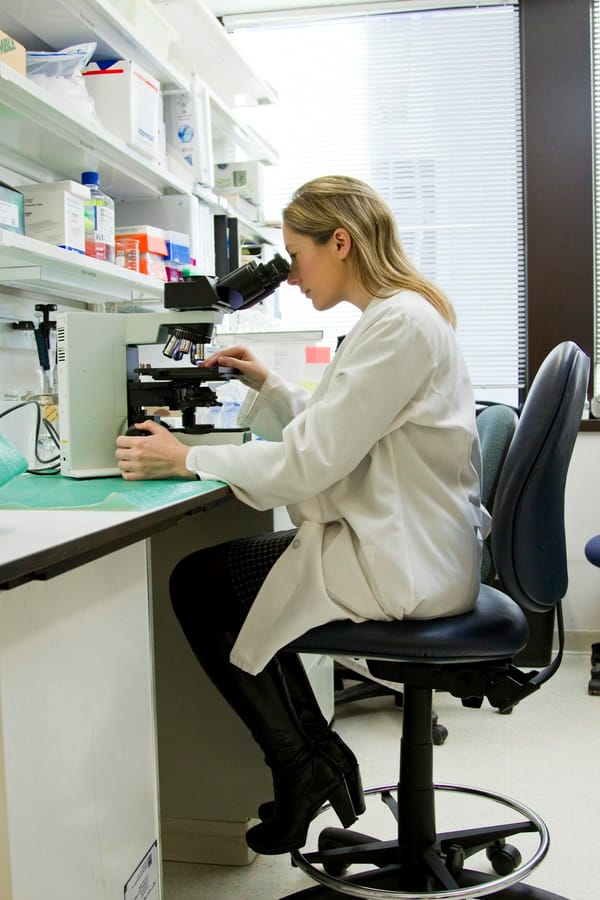
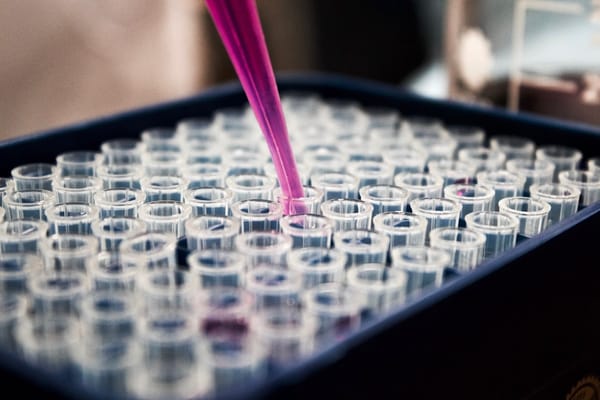
The dried seed material undergoes solvent extraction, typically using organic solvents that selectively dissolve the lipophilic diterpene ester fraction. The crude extract is then subjected to liquid–liquid partitioning and chromatographic fractionation to progressively isolate the target compound from the hundreds of other phytochemicals present in the seed.
Tigilanol tiglate belongs to the daphnane-type diterpene ester family — a class of compounds known for their structural complexity and potent biological activity.[3] Separating it from structurally similar diterpene esters in the same extract requires high-resolution chromatography, often employing HPLC (high-performance liquid chromatography) or similar techniques.
Purification and Quality Control
Pharmaceutical-grade tigilanol tiglate must meet stringent purity requirements. The final purification stages involve preparative HPLC and crystallisation, with identity confirmed through nuclear magnetic resonance (NMR) spectroscopy and mass spectrometry. Purity is verified by analytical HPLC to exceed the thresholds required for clinical use.
Each batch undergoes stability testing, sterility assessment (for the injectable formulation), and potency verification to ensure consistent pharmacological activity across production lots.
What Else Is in the Berry?
One of the most intriguing aspects of Blushwood berry chemistry is what has not yet been fully characterised. Tigilanol tiglate is the primary studied compound, but the seed contains a complex matrix of other diterpene esters, flavonoids, and phytochemicals whose biological activities remain largely unmapped.[4]
The full phytochemical profile of Fontainea picrosperma has not been comprehensively published. Whether other constituents contribute to, modulate, or synergise with the effects of tigilanol tiglate is an open scientific question — and one that extract-based supplement users are, in effect, exploring empirically ahead of formal research.
Scaling the Supply Chain
Transitioning from laboratory-scale extraction to commercial pharmaceutical manufacturing is a non-trivial challenge for any plant-derived drug. The history of taxol (paclitaxel) from the Pacific yew and artemisinin from Artemisia annua illustrate how supply chain constraints can delay or complicate the rollout of highly effective natural-source medicines.[5]
QBiotics has invested in cultivation programmes and extraction infrastructure to address this challenge, recognising that a reliable and sustainable supply of tigilanol tiglate is as important as the clinical trial data demonstrating its efficacy.
From Nature to Medicine
The extraction of tigilanol tiglate from the Blushwood berry follows a path that some of the most important medicines in history have taken: an observation in nature, a compound isolated in the laboratory, and a pharmaceutical programme built around a molecule that evolution produced and science has learned to harness.
References
- QIMR Berghofer Medical Research Institute — EBC-46 discovery research. QIMR Berghofer ↗
- QBiotics — Fontainea picrosperma cultivation and supply. QBiotics ↗
- Boyle GM et al. (2014) Characterisation of EBC-46 as a diterpene ester from Fontainea picrosperma. PubMed ↗
- QIMR Berghofer — phytochemical research programme. QIMR Berghofer ↗
- QBiotics — commercial scale-up and supply chain strategy. QBiotics ↗