The Unmapped Phytochemistry of the Blushwood Berry: What Science Has Not Yet Studied
Tigilanol tiglate gets all the scientific attention, but it is one compound within a chemically complex plant. The unmapped phytochemistry of Fontainea picrosperma may hold compounds we have not yet imagined.
The Isolation Problem in Pharmacognosy
Modern drug development tends to isolate. Identify the most active compound, purify it, characterise it, trial it. This reductive approach has produced many of medicine's most effective drugs — but it systematically discards the rest of the plant's chemistry in the process.[1]
With Fontainea picrosperma, the compound that attracted pharmaceutical attention was tigilanol tiglate — a diterpene ester with striking tumour-ablating properties now in human clinical trials. But the plant contains hundreds of other chemical constituents, most of which have never been formally characterised.
What We Know About the Plant's Chemistry
Fontainea picrosperma belongs to the Euphorbiaceae family — a chemically diverse family including the castor bean, the rubber tree, and numerous medicinal plants used across traditional pharmacopoeias.[2]
Beyond tigilanol tiglate, the plant produces a range of related phorbol esters and tigliane-type diterpene esters. The deep red colouration of the ripe fruit suggests the presence of anthocyanins or other flavonoid pigments — compounds with well-established antioxidant and anti-inflammatory properties in other species. Whether these are present in active concentrations in commercial extracts is not currently documented in peer-reviewed literature.
The Entourage Hypothesis for Plant Extracts
In cannabis research, the "entourage effect" describes how the full spectrum of plant compounds may produce different — often enhanced — effects compared to isolated cannabinoids. A similar principle is increasingly discussed for other botanical medicines.[3]
For blushwood berry extract as a supplement, consumers taking whole-plant extracts are ingesting a chemical mixture that includes tigilanol tiglate and an unknown number of additional compounds. Whether these additional compounds are inert, synergistic, or independently active is scientifically unresolved.
The consumer reports of broad-spectrum effects — inflammation reduction, immune modulation, energy, skin improvements — are consistent with either a highly pleiotropic single compound acting through PKC across multiple tissue types, or the activity of multiple compounds in concert. Current science cannot distinguish between these possibilities.
What Formal Phytochemical Research Would Require
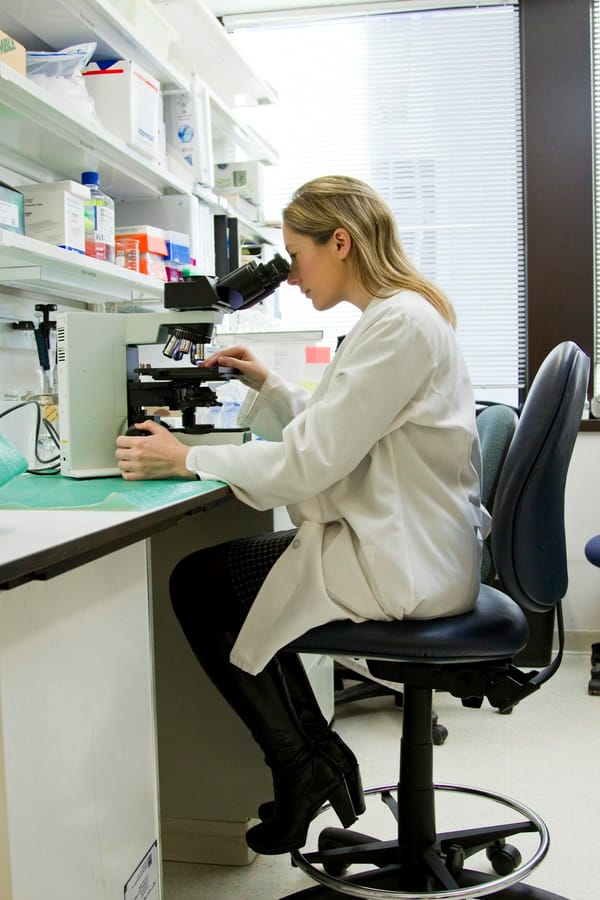
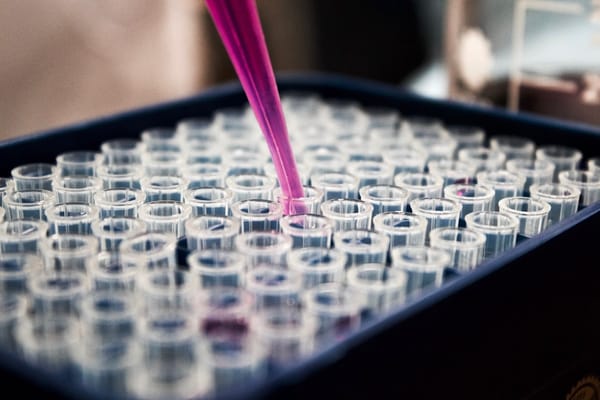
A comprehensive phytochemical characterisation would involve LC-MS profiling across different plant tissues and developmental stages, followed by isolation and structural elucidation of novel compounds, and bioactivity screening against relevant target panels.[4]
This could represent years of analytical chemistry work, and requires consistent access to plant material — constrained by the species' limited natural range and the limited scale of current cultivation operations.
Why the Gap Matters
The history of pharmacology is full of examples where "secondary" compounds turned out to be as significant as the primary one — vinca alkaloids, salicin leading to aspirin, artemisinin from traditional Chinese medicine. There is no reason to assume that tigilanol tiglate exhausts the pharmacological interest of Fontainea picrosperma.[5]
There is every reason to want to know what else is there.
References
- 1, 5. Boyle GM et al. "Intratumoural injection of EBC-46." PLOS ONE. 2014. View source ↗
- 2. QBiotics — Fontainea picrosperma research programme. View source ↗
- 3. Phytochemistry and multi-compound botanical medicine literature. View source ↗
- 4. QIMR Berghofer — natural compound discovery. View source ↗